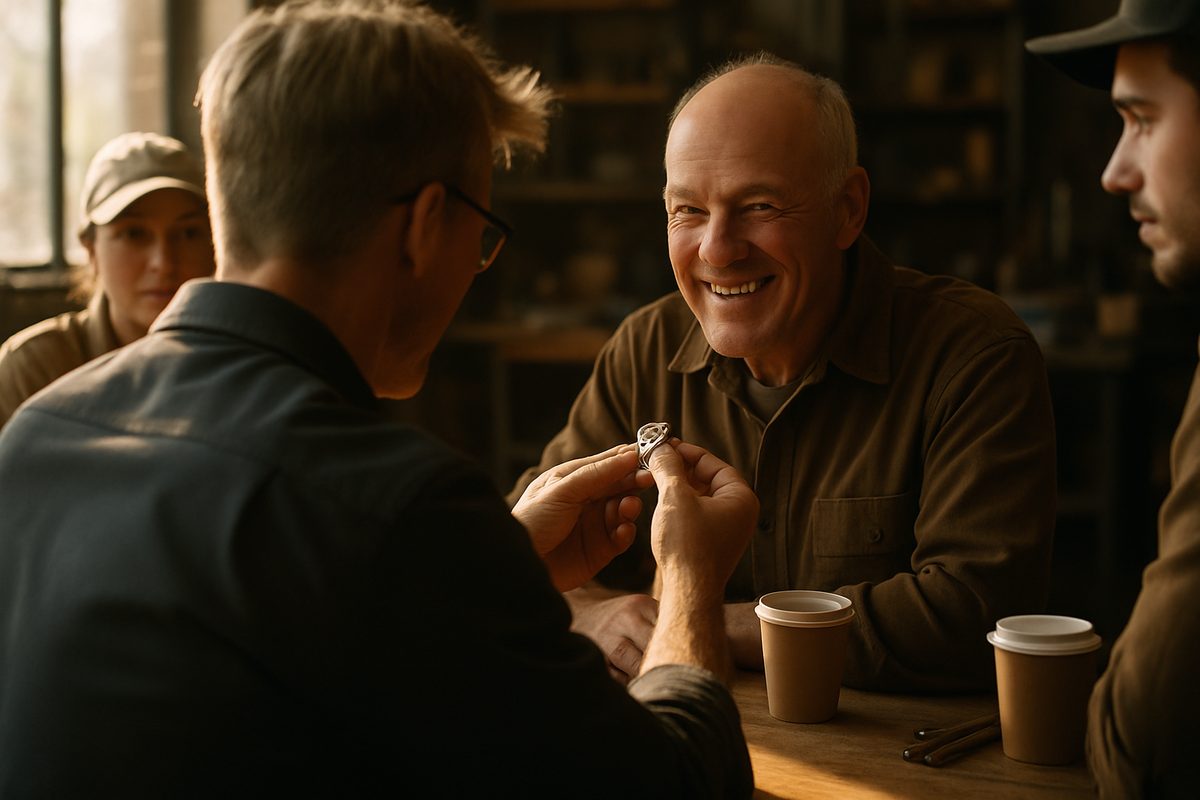
Getting your team on board with new systems is mostly about respect, not persuasion. When an owner tells me “my team hates new systems,” I always ask what happened last time. The story is usually the same: something got dropped on everyone from above, training was a PDF, and the person who complained loudest got ignored. Your team doesn’t hate change. They hate being changed at.
Getting your team on board starts with saying the quiet part out loud
The first fear in the room is always the same one, and it’s rarely spoken: is this thing here to replace me? So say it plainly, early: no. The systems we build take over the part of the job everyone already hates — the double data entry, the chasing, the “did anyone reply to that?” Nobody’s hours got cut in any business I’ve automated. What got cut was the drudgery. People ended up doing more of the work that actually needs a human — and it shows in how they talk to customers.
Put your skeptic in charge of testing
Every crew has one person who trusts nothing new. Good. That person is your quality department. Hand them the new system first and ask them to break it. Two things happen: they find real problems while the stakes are low, and when they finally nod — and they will, because we fix what they find — the rest of the team follows in a day. A skeptic converted is worth ten cheerleaders.
Let them feel the first win
Harvard’s Teresa Amabile studied thousands of workdays and found that nothing lifts people like visible progress in meaningful work. So we make the first win loud and personal: the morning the new inbox catches a customer message that would have been missed, everybody hears about it. Not as a memo — as a story. Stories are how a crew decides what to believe.
This is the difference between working and shelfware
None of this is soft stuff. Prosci, the outfit that’s studied change in organizations for decades, found that projects with excellent change management were about six times more likely to meet their goals — 88% success versus 13%. Same tools, same budgets. The difference was whether anybody took care of the people.
We take care of the people. It’s most of the job. The technology, honestly, is the easy part — I wrote about how we stage the changes gently, and about why builders who’ve never run a business get this exactly backwards.
That’s the part we’re best at. Thirty minutes, no obligation, no jargon.
Book a consult